
I first learned how to bake bread on a farm in the mountains in France with packed dirt doors beneath my feet, a box of kittens tucked under the counter to keep warm in the chilly fall days, and a wood fire oven stoked so hot that the rock was white with heat. Every Tuesday we baked brioche and sourdough breads using a sourdough starter like from Sweetly Simple Sourdough Starters, and bake about eighty loaves to feed the farm and sell at the farmer's market.
It was a job I didn't anticipate liking before arriving at the farm; it seemed like a massive amount of work for so little return. I soon changed my tune, however. I had heard that baking bread was meditative, yet I hadn't anticipated how engaged-both mentally and physically-I would be, hands kneading dough until they ached, carefully feeling for the perfect time to stop. Every step of the process involved attention. In my world, full of multi-tasking and supermarkets, I hadn't experienced what it felt like to be completely focused on my food for that length of time.
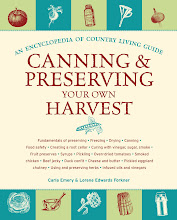
Carla Emery says that she rarely uses a recipe, and if a loaf turns out too dense or burnt, she simply gives it to the pigs and moves on. Be sure to check out the full chapter in Encyclopedia of Country Living for her tips for raising bread in chilly kitchens, shaping, and kneading. Here is the recipe that she learned how to bake bread with:
Carla's White Bread
Scald 1 c. milk until there is a little rim of bubbles around the edge of the pan. Add 6 T. sugar, 2 t. salt, and 6 T. margarine or butter to the hot milk. When the milk mixture has cooled to lukewarm, proceed. Into your big bread bowl, measure 3 c. lukewarm water. Dissolve 2 pkg. yeast in the water. Add the milk mixture and about 5 c. white flour. Mix until smooth. Keep adding flour until you have a kneadable dough. Flour your breadboard, turn the dough out onto it, and commence kneading.
Allow the dough to continue to absorb flour, and knead until smooth and elastic. When it is ready, let it rest while you wash out the mixing bowl, dry it, and then grease it inside very lightly. Put your dough into the greased bowl, turning it once to grease the top. Cover with a dishtowel and leave in a warm place until it doubles in bulk.
Punch down. Prepare 4 bread pans. Cut the dough carefully into 4 sections. Take 1 section at a time and fold under to turn in the severed edges, seal, and shape into a loaf. Put each loaf into a bread pan. Cover and let rise again until doubled in bulk. Bake in a preheated 400˚F oven about 30 minutes.



 Posts
Posts

