
Halloween may be over, but prime pumpkin time is just
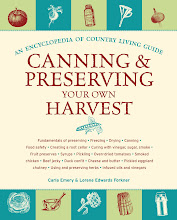
beginning! Carla Emery offers a few tips for enjoying your pumpkins and squash after October 31st using different methods of preserving and cooking.
Preserving Squash or Pumpkin
Freezing. Cut open your winter squash or pumpkin. Remove stringy fibers and seeds (save them for seed or
snacks). Cut into pieces and cook until soft in as little boiling water as
possible. Or steam in a pressure cooker or bake in the oven. You can bake a
whole big squash; it takes about 2 hours. Then you cut open, remove seeds, and
mash. Or bake or boil sections and, after the squash is cooked, scrape off the
rind and mash the insides (use a masher or rotary colander or push through a
sieve). (Using a masher is by far the easiest way.) Then package and freeze.
There's no good way to cool it, so just don't put more in the freezer than it
can handle each day. I thaw a bag of frozen squash in a frying pan with a
little water, butter, and honey. Mix well and serve hot.
Substitute for sweet potatoes on Thanksgiving or at any
other time. Around here, squash is much cheaper and easier to grow than sweet
potatoes. You can use it in pies or add it to bread dough.
Drying. Pioneer Americans dried pumpkins a lot. Their
method was generally to slice the pumpkin around in circles, scrape out the
seeds and strings, peel it, and let the circles hang in the air, out of direct
sunshine, until they were dried. Another method: Cut into small pieces, seed,
peel, cut into 1-inch strips, and cut those 1⁄4 inch thick. Or shred it. Dry until
tough.
Squash/Pumpkin Leather: Cook and puree. For each 2 c. puree, add 1⁄2 c. honey, 1⁄4 t. cinnamon, and 1⁄8 t. each
of nutmeg and cloves. (Other options: Combine with apple puree. For spices, substitute ginger and pumpkin pie spice. Sweeten with white or dark corn syrup rather than honey. For each 1 c. steamed squash, pumpkin, yam, or sweet potato, add 1 c. mashed banana, 1 t. pumpkin pie spice, 1⁄2 t. vanilla, and 1⁄2 c. chopped nuts; dry like a fruit leather.)
Canning. Wash; remove seeds. Cut into chunks and peel.
Cut the peeled chunks into 1-inch cubes. Add just enough water to cover. Boil 2
minutes. Optional: Add salt. Put chunks into clean canning jar. Pour cooking
liquid over, leaving 1 inch headspace. Caution: Do not mash or puree before
canning. Process pints 55 minutes, quarts 90 minutes, in pressure canner only.
If using a weighted-gauge canner, set at 10 lb. pressure at 0-1,000 feet above
sea level; set at 15 lb. at higher altitudes. If using a dial-gauge canner, set
at 11 lb. pressure at 0-2,000 feet above sea level; 12 lb. at 2,001-4,000 feet;
13 lb. at 4,001-6,000 feet; 14 lb. at 6,001-8,000 feet; or 15 lb. above 8,000
feet.
Cooking Squash and Pumpkin: Basically you start any
recipe by boiling, baking, or pressure-cooking the flesh. If you then mash,
you've got the equivalent of the canned pumpkin that is called for in most
recipes. Just substitute from there.
Boiling. Halve the fruit and scoop out the seeds and
stringy fibers that are mixed up with them. Peel and cut what's left into
cookable-sized pieces. Boil until tender (a half hour or so). To pressure-cook,
cook the peeled pieces 15 minutes at 15 lb. pressure.
Baking. Arrange your peeled pieces cut side down in some
sort of baking pan. Bake about an hour at 400˚F. Then scoop out the part that
stayed soft and mashable. Another system is in Ruth's Vegan Squash Pie recipe a
bit later on. Of that one, Lane Morgan says, "That's how I always prepare
my pumpkins for pies, except I scrape out the seeds before I bake because I
don't know how good they'd be for roasting after being cooked in all that
moisture. You don't have to peel or chunk the pumpkin, and I hate peeling
pumpkin. Don't use a rimless baking surface because the pumpkins will 'weep' as
they cook. I save that liquid to get the puree going in the blender."
Instant Mashed Squash/Pumpkin. Blend 2 c. cut-up pumpkin
with 1⁄2 c. water until smooth. If you aren't going to use your puree in a
recipe where it will get cooked, you can cook it plain in a pan, but you have
to stir constantly to prevent burning.



 Posts
Posts


